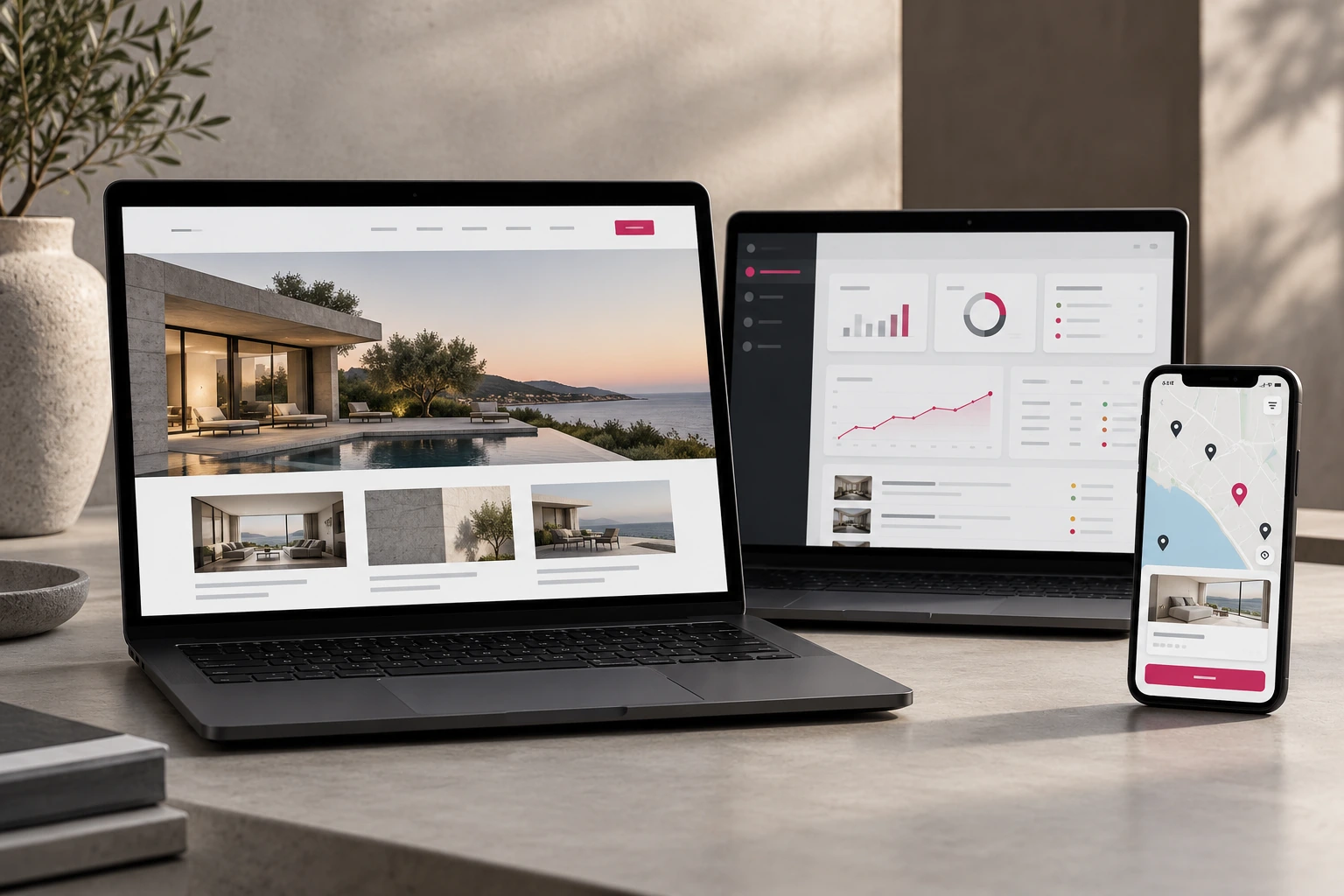
When a business plans a digital product, the first question is often which kind of product to build: a website, a web app or a mobile app. The right answer depends on what people need to do, how often they will do it and which devices or features the experience must support.
A website is usually the best starting point when people need to learn about a business, compare services, read information or get in touch. A web app makes sense when users need to sign in and complete tasks, manage information or work through a repeated process in a browser. A mobile app is useful when the experience depends on regular phone use, device features or a dedicated mobile workflow.
What each option does well
A business website
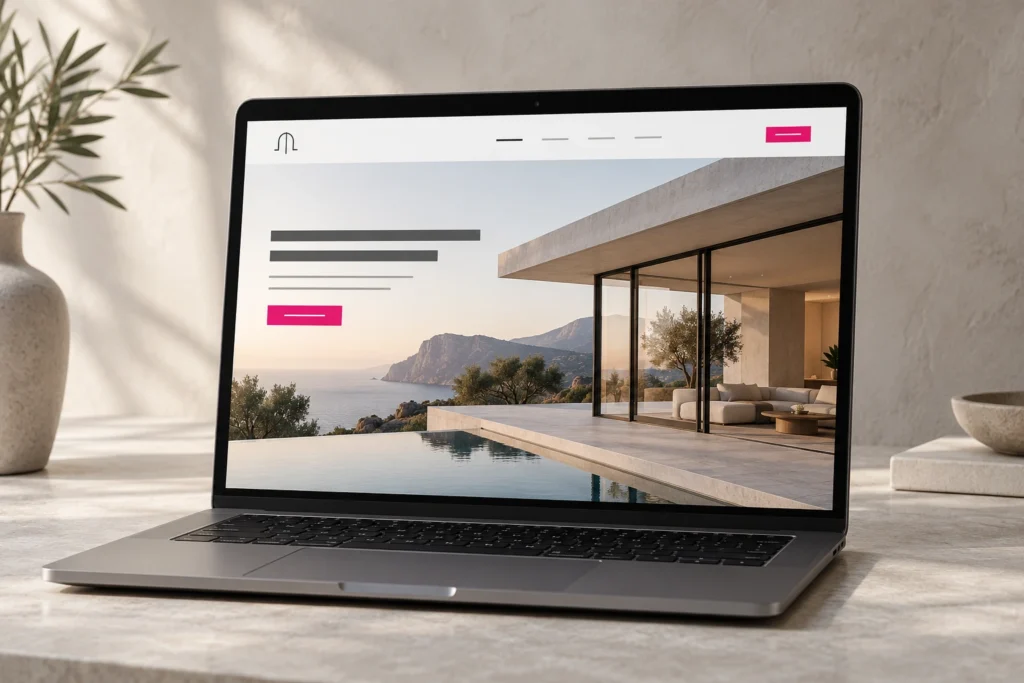
A website helps people discover and understand your business. It can explain your services, show your work, answer questions and lead visitors to an enquiry or purchase. Most businesses need a website even when they also have an app, because the public site often introduces the product and helps new users get started.
A web application
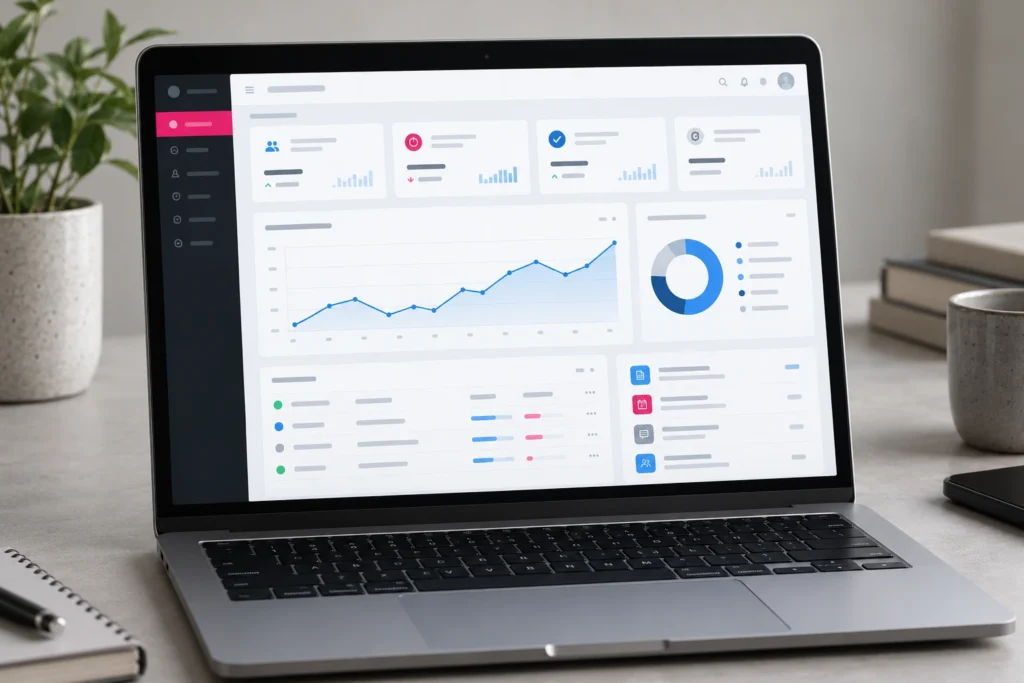
A web application gives users an interactive workspace in a browser. It may include accounts, dashboards, saved information, permissions, forms or tools that support a business process. It can be easier to access across devices without installing an app, though the experience still needs to work well on smaller screens.
A mobile application
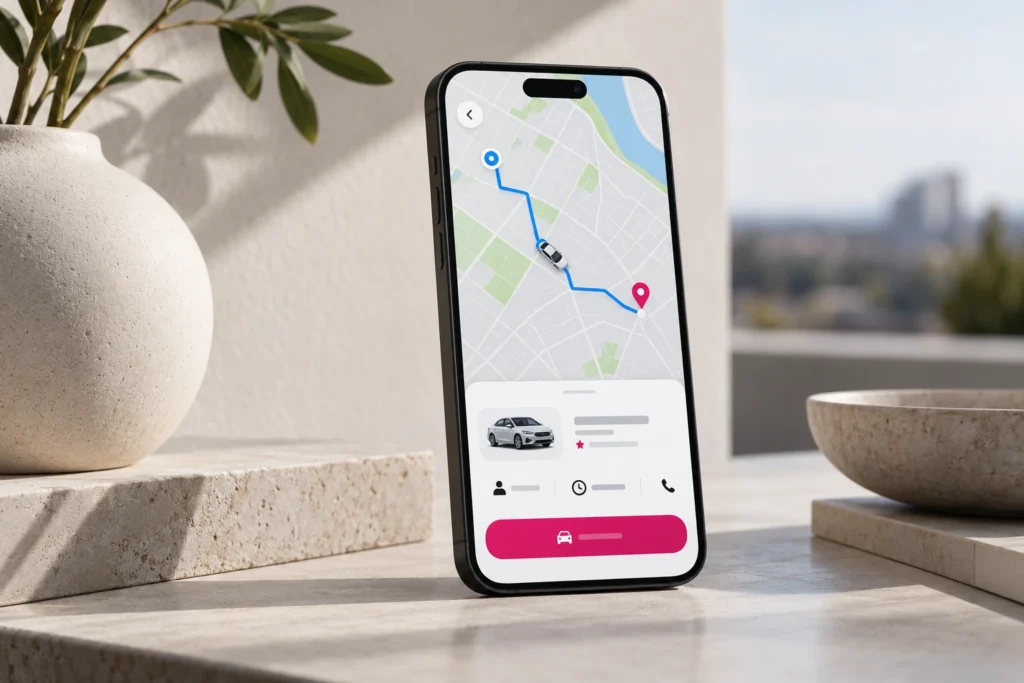
A mobile app is built for use on smartphones or tablets. It can be the right choice when customers or staff need frequent access, notifications, location features, camera access or workflows designed specifically for mobile. It also brings ongoing responsibilities: updates, testing across devices and maintaining app store listings.
Four questions to answer before choosing
- What is the main task? If visitors mostly need to understand your offer, a website may be enough. If they need to complete a repeatable task, consider an application.
- How often will people use it? A one-time or occasional task rarely needs a dedicated app. Daily use may justify a more focused product.
- Where will the task happen? A desk-based workflow may suit a web app. A task that happens on the move may call for a mobile-first experience.
- Which device features are essential? Notifications, location, offline access or camera use can influence the choice. List the actual need before choosing the technology.
Sometimes the product needs more than one part
EliteGo is a useful example from our work. The project combines a public website with separate passenger and driver apps because each audience has a different job to do. The website introduces the service; the apps support the ride and driver workflows. That combination follows the product’s needs rather than a rule that every business should build several platforms.
Start with the smallest complete experience
Write down the user, the problem and the task they need to complete. Then map the simplest experience that lets them complete it. If a responsive website can do the job, start there. If users need accounts, data and repeated workflows, a web app may be more appropriate. Add a mobile app when the use case benefits from it.
A short discovery phase can help identify the right scope before design and development begin. Explore our web and app development services or see how we approached the EliteGo project.
Common questions
Can a website become a web app later?
Yes. It helps to plan for that possibility, especially if the site may later need accounts, stored data or interactive workflows. The future possibility should not make the first version more complex than necessary.
Does every business need a mobile app?
No. A mobile-friendly website is enough for many businesses. An app is worth considering when its specific features or repeated use improve the experience.
The useful question is not which technology sounds most advanced. It is which experience lets your customers or team complete the task with the least friction.